How to Choose the Right Industrial Lubricant for Your Equipment.
How to Choose the Right Industrial Lubricant for Your Equipment.
Industrial machinery relies on effective lubrication to keep moving parts working smoothly under demanding conditions. However, different industrial lubricants suit different components and operating environments. Choosing the correct product can reduce friction, wear and overheating while helping equipment remain reliable for longer.
This lubricant selection guide covers what to look for when choosing a lubricant for your machinery.
Why Choosing the Right Industrial Lubricant Matters
So, what are industrial lubricants designed to do? Their main purpose is to reduce friction between moving surfaces. Depending on the application, they can also help manage heat, protect against wear and corrosion, and keep components operating effectively.
Using the wrong product or viscosity can affect performance and increase maintenance requirements, which is why manufacturer specifications should always guide lubricant selection.
Common Types of Industrial Lubricants
Diesel Engine Oils
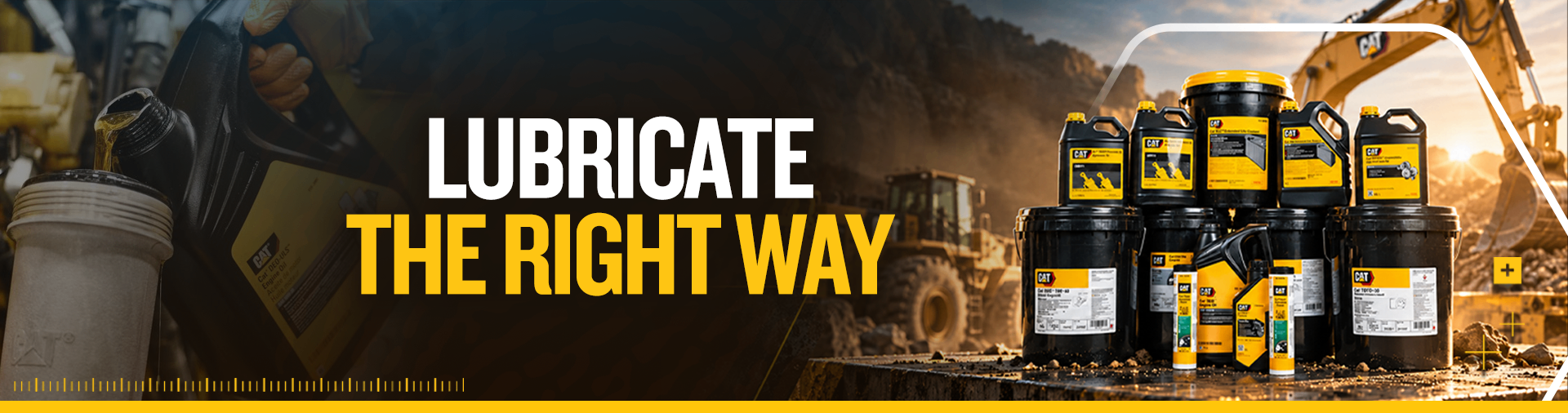
Diesel engine oils protect internal engine components against friction, heat, wear and deposits. UTE offers CAT® Diesel Engine Oils, including 15W-40 options for heavy-duty diesel engines used in applications such as earthmoving equipment and commercial vehicles.
Hydraulic Oils
Hydraulic oil transfers power through hydraulic systems while lubricating and protecting internal components. UTE’s CAT® Hydraulic Oils include HYDO™ Advanced options for Cat hydraulic systems, with different viscosities available for specific equipment requirements.
Transmission Fluids
Transmission fluids lubricate and protect gears, bearings and other drivetrain components. UTE supplies CAT® Transmission Fluids, including TDTO™ 30 for transmissions and drivetrains requiring this type of oil.
Greases
Grease is commonly used on bearings, joints and other components where lubrication needs to remain in place. The best grease for heavy equipment depends on factors such as load, temperature and working conditions. UTE’s CAT® Grease range includes options for general-purpose and more demanding applications.
Key Factors to Consider When Choosing an Industrial Lubricant
Always check the equipment manufacturer’s specifications first. Other important factors include:
Viscosity: The correct lubricant viscosity allows the product to flow and protect components effectively at operating temperatures.
Operating temperature: Lubricants must remain effective within the expected temperature range.
Load and speed: Heavy loads and different operating speeds can change lubrication requirements.
Operating environment: Dust, moisture and contamination can influence product choice.
Additives: Some formulations provide additional protection against wear, corrosion or demanding operating conditions.
Benefits of Using the Right Lubricant
The benefits of lubrication are evident in both equipment performance and maintenance. A correctly selected lubricant reduces friction between moving parts, helps control wear and heat, and protects critical components during operation.
Over time, this can support longer component life, more reliable machine performance and fewer lubrication-related maintenance problems. Following the correct lubrication schedule also helps machinery perform as intended between servicing intervals.
Common Lubrication Mistakes to Avoid
Even a high-quality lubricant will not perform correctly if it is used in the wrong application. Common mistakes include:
Using the wrong type of lubricant or viscosity
Mixing lubricants that are not compatible
Applying too much or too little lubricant
Ignoring manufacturer specifications
Missing recommended lubricant change intervals
Allowing lubricants to become contaminated during storage or handling
How to Choose the Right Lubricant for Your Equipment
Start by identifying the machine and the specific component requiring lubrication. Check the manufacturer’s recommendations for the required lubricant type, viscosity and performance specifications.
Next, consider how the equipment actually operates. Temperature, load, speed, working conditions and exposure to contaminants can all affect the appropriate choice. Select an engine oil, hydraulic oil, transmission fluid or grease that meets these requirements rather than choosing based on product type alone.
If the requirements are unclear, seek technical guidance before changing products or mixing different lubricants.
Keep Your Equipment Running Reliably
Choosing the right lubricant helps protect machinery and maintain dependable performance. The correct choice will depend on both equipment specifications and real operating conditions.
Explore UTE’s range of CAT® Lubricants & Specialities, including engine oils, hydraulic oils, transmission fluids and greases, and speak to UTE’s team to find the right products to keep your equipment performing at its best.