BLOGS AND ARTICLES

16 Blog Available

Industrial Soundproofing Materials and Why Acoustic Foam Alone Falls Short

Industrial Soundproofing Materials and Why Acoustic Foam Alone Falls Short

Is Acoustic Foam Really Enough to Control Industrial Noise? When it comes to industrial soundproofing, choosing the wrong material can mean investing in a solution that doesn't solve the actual problem. While acoustic foam helps reduce echoes, heavy machinery, diesel generators, and industrial equipment produce complex noise that often requires much more than sound absorption alone. Effective industrial soundproofing isn't about adding more material. It's about choosing the right engineering solution. From Mass Loaded Vinyl and Rockwool insulation to perforated acoustic panels and vibration isolation, every material has a different role in controlling industrial noise. Read our latest article: (link) and explore why conventional acoustic foam may fall short in heavy engineering environments and how properly engineered acoustic systems make a difference. Discover the science behind smarter industrial noise control.

Check out our latest insights
How Does the Decibel Scale Work? Why a 3 dB Reduction Matters

How Does the Decibel Scale Work? Why a 3 dB Reduction Matters

When it comes to industrial noise control, even the smallest numbers can tell a much bigger story. Even a 3 dB Noise Reduction can make a Big Difference. A reduction from 90 dB to 87 dB might not seem significant. But did you know it represents approximately 50% less sound energy? The decibel (dB) scale is a logarithmic unit used to measure the intensity or loudness of sound relative to a reference level. The science behind the logarithmic decibel scale, and understanding it can make all the difference when designing effective noise reduction solutions. From generator rooms to manufacturing facilities, the right acoustic engineering approach isn't just about making equipment quieter. It's about protecting people, improving working environments, and achieving measurable results. At UTE, we believe effective noise control begins with understanding the science behind sound. Read our latest article: Discover how decibels work and why precision matters in industrial noise control.

Check out our latest insights
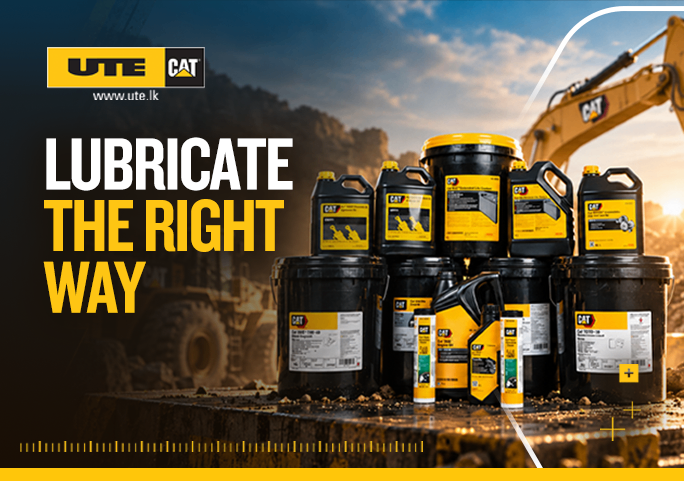
How to Choose the Right Industrial Lubricant for Your Equipment.

How to Choose the Right Industrial Lubricant for Your Equipment.

Choosing the right lubricant is not just about selecting an oil or grease - it is about matching the product to the equipment, operating conditions and manufacturer specifications. In our latest article, we look at the main lubricant types used in industrial and heavy-equipment applications, including diesel engine oils, hydraulic oils, transmission fluids and greases, and explain what to consider when choosing the right option for your machinery. The right lubrication choice can help reduce friction, manage heat and wear, support longer component life and maintain reliable machine performance. Read the full article to learn how to choose the right industrial lubricant for your equipment.

Check out our latest insights
How to Select the Right Generator for Your New Building in Sri Lanka

How to Select the Right Generator for Your New Building in Sri Lanka

Why Generator Planning Matters. When considering the purpose of a generator, why is choosing one not given more priority? A compelling value addition for apartments, hotels, offices, hospitals and commercial properties is a building with a back-up power system which provides increased safety, comfort, convenience and operational security. These factors add more value for property buyers and owners.

Check out our latest insights
Decorative shape
CAT Excavator 1